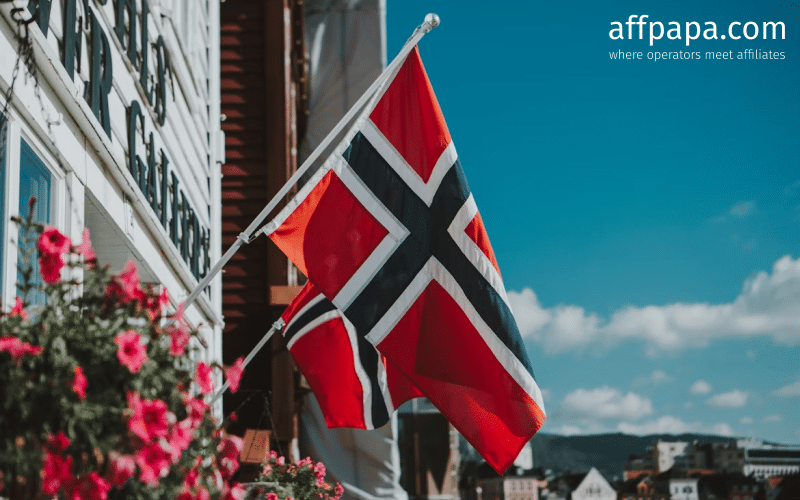
Norway has long taken a unique approach to gambling — one that sets it apart from most of Europe. While countries around it have opened up their gambling markets to private companies under regulated licensing systems, Norway has stayed firmly committed to a state-controlled monopoly. But as the gambling landscape evolves, many are wondering: Is Norway getting ready to change course?
Currently, the only legal gambling providers in Norway are Norsk Tipping and Norsk Rikstoto, both owned and operated by the state. These companies offer lottery games, sports betting, and limited casino options. The goal behind this system has always been about control — preventing gambling addiction, ensuring responsible play, and making sure the profits go back into the community.
But despite these intentions, this approach is starting to feel out of step with how people actually gamble today.
Even with legal restrictions in place, many Norwegian gamblers are turning to foreign gambling websites. These platforms typically offer far more choice — from thousands of casino games to better betting odds and bigger bonuses.
While the government has introduced tools like banking blocks and DNS filtering to discourage access to unlicensed sites, many players are finding ways around these barriers. The reality is that international operators continue to attract Norwegian users, often providing a more appealing experience than the official channels.
If we look across Europe, Norway’s monopoly model is now the exception, not the rule. Countries like Sweden, Denmark, and the Netherlands have all moved to licensing frameworks that allow private gambling companies to operate legally — as long as they meet strict conditions around safety, transparency, and responsible gaming.
This setup has several benefits: it keeps players within a regulated environment, allows governments to tax gambling profits, and provides clear oversight of industry behavior.
In Norway, there’s a growing chorus of voices pushing for a new direction. Critics argue that the monopoly is outdated, unrealistic, and no longer effective at protecting consumers. They point out that a licensing model wouldn’t mean gambling runs wild — it would simply create a controlled, legal pathway for international companies to offer their services under Norwegian law.
The question is whether the current government is ready to explore that path — or if change will have to wait for a political shift.
While there’s no official move yet, many in the gambling industry believe that a switch to licensing is not a matter of “if,” but “when.” The increasing popularity of foreign betting sites, combined with public demand for more freedom and better gambling options, could push Norway toward reform faster than expected.
Norway’s gambling monopoly has been in place for decades, but the cracks are starting to show. As more players go offshore and more countries find success with licensing, it might be time for Norway to reconsider its approach — and bring its gambling laws in line with the modern world.