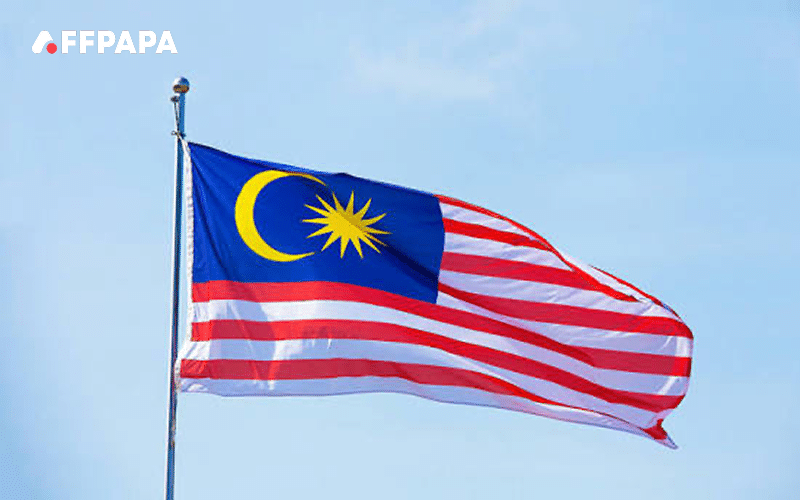
The Malaysian Communications and Multimedia Commission (MCMC) says YouTube was too slow to act on tens of thousands of reports, almost all of them about gambling, as the country steps up efforts to hold tech platforms responsible for the content they host.
The two lawsuits
The MCMC is seeking RM300 million ($72 million) in each case, split equally into RM100 million of general damages, RM100 million of aggravated damages, which reflect harm made worse by a defendant’s conduct, and RM100 million of exemplary damages, which are intended to punish. The first lawsuit covers gambling, scams and fraud, and is based on alleged breaches of statutory obligations and license conditions, as well as negligence, as Malaysia uses the Communications and Multimedia Act 1998 and the Online Safety Act 2025, in force since January 2026, to hold platforms accountable. The second concerns content republished on YouTube by blogger Wan Muhammad Azri Wan Deris, known as Papagomo, which is subject to an interim injunction issued by the Kuala Lumpur High Court on June 19. In that case, the MCMC is also seeking an order requiring Google to keep his account suspended and remove similar content within 24 hours, including material posted through third-party accounts.
What the MCMC’s figures show
Between January 1 and October 28, 2026, the MCMC sent YouTube 74,703 reports about online content, of which 74,569, or 99.8%, concerned online gambling. YouTube responded to or removed 32,781 of the gambling-related reports within a day, but 4,950 received no response, 1,468 took more than 30 days to be dealt with and 35 took more than 90 days. The regulator said it had spent considerable resources and manpower handling more than 50,000 instances of harmful content, which it blamed on what it called Google’s systemic failure to act.
The Malaysian Communications and Multimedia Commission shared in a statement:
“These figures demonstrate the scale of harmful content on the platform and the delays in addressing such content.”
Google’s response
Google said it is committed to providing a safe online experience for Malaysians while protecting freedom of expression and access to information. A YouTube spokesperson said the company complies with applicable local laws, reviews reported content for potential policy violations and is engaging with the Malaysian government.
Why gambling content is a focus in Malaysia
Fahmi Fadzil, Communications Minister of Malaysia, said at the time:
“If a gambling ad is paid for using a credit card and Facebook knows this content is illegal in Malaysia, they should block the account. But Facebook has refused to do so.”
Online gambling is illegal in Malaysia, where the legal options are limited to lotteries, horse racing bets and the country’s only licensed casino, Resorts World Genting. The MCMC has clashed with tech platforms over the issue before, meeting Meta executives last year about the spread of illegal gambling ads on Facebook.