
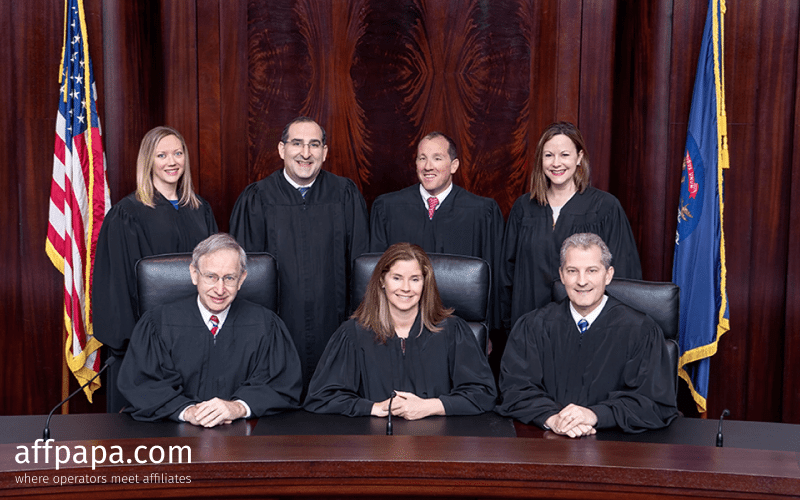
Michigan Supreme Court declines Sault Ste. Marie Tribe of Chippewa Indians’ appeal to build a new casino, blocking the tribe’s expansion into the Lower Peninsula.
The Sault tribe, which operates five Kewadin Casinos on Michigan’s Upper Peninsula, seeks to have a parcel near Detroit, known as the Sibley Parcel. The US Department of the Interior (DOI) denied the request, reporting that the land didn’t sufficiently “enhance” the tribe’s existing territory, as required under federal standards.
The Indian Gaming Regulatory Act permits tribes to conduct gambling activities only on lands held in trust by the federal government.
The tribe sued the DOI, claiming that the casino was essential to its long-term financial health. The court judged against it, and the tribe submitted a petition to the Supreme Court in December, hoping for a reversal. This week, the Court issued a routine order listing the tribe’s case among dozens of petitions it would not hear, offering no comment on the matter.
The Sault tribe purchased the Sibley Parcel in 2012, planning to build a casino that would support tribal education, health, cultural initiatives, and charitable projects. These are the requirements highlighted in the Michigan Indian Land Claims Settlement Act.
DOI officials debated whether the proposed casino would direct enough of its revenues toward these ends:
“Although the Tribe now represents that ‘all net gaming revenues will be dedicated to advancing tribal welfare,’ […]its initial Tribal Resolution allocated only five percent to the welfare of certain Tribe members. And that falls far short of demonstrating an ‘educational, social welfare, health, cultural, or charitable purpose’ for the funds expended to purchase land.”
In its arguments to the Supreme Court, the tribe claimed that the DOI’s reading of the law ignored the needs of certain tribal members and pointed to previous high court rulings that had sided with tribal interests. But with the Court declining to intervene, the DOI’s interpretation stands, leaving the Sault tribe’s proposed Detroit-area casino off the table.