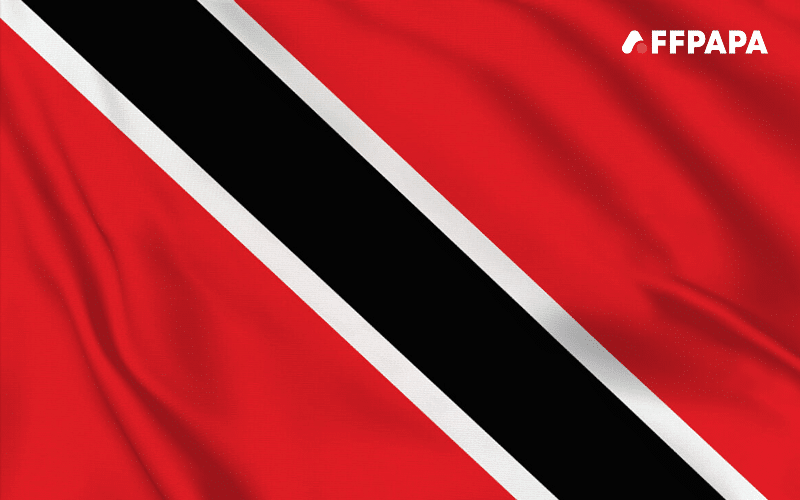
If the Senate also approves the order, Trinidad and Tobago would become the fourth jurisdiction in the region offering an offshore gambling license, joining Curaçao, Antigua and Barbuda, and Saint Kitts and Nevis. The country’s 2021 gambling act already included a section on setting up this kind of licensing system, but that part of the law was never brought into force, according to the island’s Gambling Control Commission. Until now, offering online gambling to customers outside Trinidad and Tobago was banned, with penalties ranging from $5 million to $10 million and 7 to 10 years in prison.
Finance Minister Tancoo stated:
“This new step that we are proposing to take, that is, to license remote gambling from Trinidad and Tobago, will allow existing and new operators to pay their fair share to the citizens of Trinidad and Tobago via the Board of Inland Revenue.”
The Minister also told parliament that licensing remote gambling would bring operators into the formal economy and get them paying taxes, as land-based gambling already generates around €9.48 million in government revenue, and argued that without a licensing system in place, operators would keep running remote gambling underground instead.