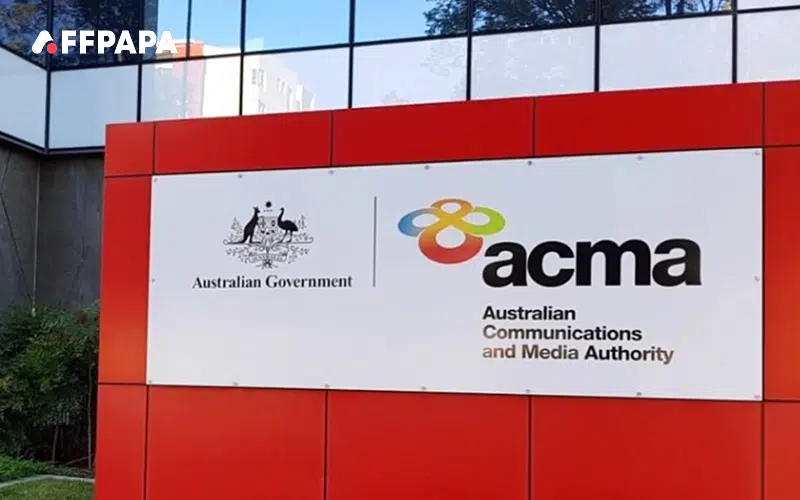
New guidance from the Australian Communications and Media Authority (ACMA) explains how internet service providers, search engines, app stores and domain name system (DNS) providers should meet the new obligation, which goes further than the country’s existing website-blocking approach.
Who the rules cover
The guidance, published on November 26, applies to internet service providers, search engines, app distribution platforms and DNS providers, which translate web addresses into the server locations that websites run on. From January 1, 2027, these businesses must take reasonably practicable steps to stop their services from being used to reach designated illegal gambling services. That includes real-money online casino and poker products, as well as wagering and lottery businesses operating without an Australian license. Holding a license elsewhere does not exempt an operator, and the deciding factor is whether customers are physically located in Australia, regardless of their nationality.
Why the blocklist is no longer enough
Until now, providers have mostly acted after the regulator intervened, by blocking sites on the ACMA’s list. Under Section 15AB of the Interactive Gambling Act 2001, they now have an active legal duty, and the ACMA says relying on its existing list of blocked websites will not be enough to show compliance. Instead, each business will need to build its own understanding of how illegal operators use its services.
Targeting mirror sites
The guidance also targets a long-standing weakness in website blocking, which is that illegal operators can simply move to a new web address while keeping the same branding, ownership and games. Removing a single search result or blocking one domain does little if the same casino reappears elsewhere, so the ACMA wants providers to account for these mirror sites where their technology allows. Businesses with the right capabilities are encouraged to use automated detection tools and adapt their existing content moderation systems.
How compliance will be judged
The law does not set a single technical solution for every provider, recognizing that companies have different levels of control over how gambling sites are accessed. The obligation is backed by a civil penalty provision, and when assessing compliance, the ACMA may consider each provider’s costs, resources, technical limits and how effective its measures are. A company is not let off simply because another business has more control over access to an illegal site. Internal records could also matter in investigations, as providers may need to show how they identified suspicious services, how they made decisions and whether they fixed any weaknesses in their systems.
Part of a wider crackdown
The infrastructure rules sit alongside separate ACMA guidance for banks and payment businesses, published earlier in November and also starting on January 1, 2027, which aims to stop money moving from Australian accounts to illegal gambling services. Together, the measures target each step of the player journey, from finding an illegal site to accessing it and depositing money. They add to the ACMA’s ongoing blocking program, which has now covered 1,850 gambling-related websites. The ACMA describes the guidance as preliminary and may update it once the rules are in force and providers start applying them.