
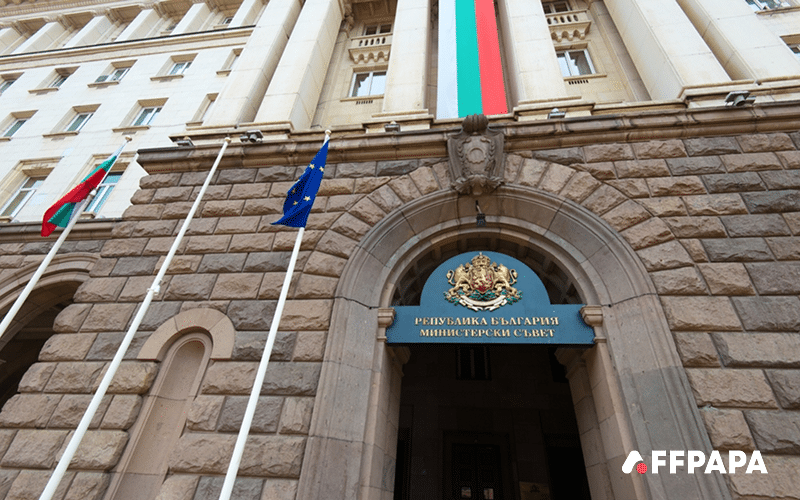
The draft changes were published for public consultation on September 23, 2026, with the government saying they are aimed at improving supervision, making tax collection fairer and reducing gambling-related harm.
Prime Minister Rumen Radev stated:
“Today we are publishing for public consultation changes to the Gambling Act that introduce a new, much stricter model for regulating and controlling the sector. The aim is more transparency, fairer taxation and, above all, limiting gambling addiction. The first big change is in advertising. We are introducing a practically full ban on gambling advertising. We don’t want gambling to be present in the everyday life of Bulgarian citizens. We don’t want aggressive advertising that reaches young people and children.”
Under the proposed rules, gambling advertising would be banned on most channels, including billboards, posters, building banners, and illuminated signs. Gambling brands would still be allowed to support sports through branding on sports kits and at sports venues, while other limited forms of information at licensed gambling venues would remain possible.
The government also wants to change how gambling businesses are taxed and monitored, so for land-based operators, taxes would be linked more closely to the actual financial results of casinos and gaming halls instead of being based mainly on the number of machines or tables. Gaming equipment would also have to send data to Bulgaria’s National Revenue Agency in real time, giving authorities more direct access to betting and payout information.
Additionally, although the online gambling tax was already increased to 25% of GGR in January 2026, the new proposal would raise it further for online gambling operators, with part of the additional revenue planned for sports and education.
The changes would also affect foreign operators licensed in Bulgaria, and companies earning revenue from the Bulgarian market would have to register their financial activity in the country and report their local earnings there.
The draft is now open for public consultation until October 23, 2026. If approved, most of the new rules would take effect from January 1, 2027.