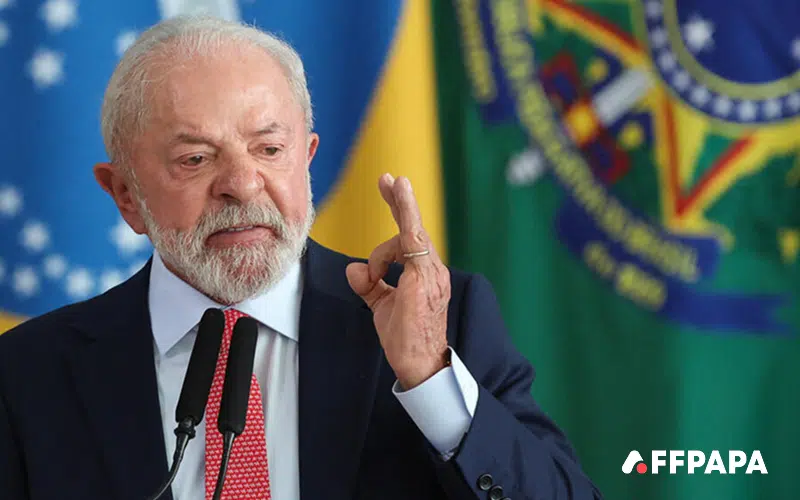
Licensed operators had shut down their platforms by the October 6 deadline the measure set, and banks will return any customer balances still on those platforms between October 9 and 14. Analysts and members of Lula’s own campaign are now describing the ban as a costly political mistake, pointing to the result as early evidence.
Bolsonaro took 47.03% of valid votes against Lula’s 45.16%, according to Brazil’s Superior Electoral Court, sending the race to a runoff on October 25. Sources close to Lula’s campaign told newspaper O Globo that social media activity targeting lower-income voters pushed a tactical vote for Bolsonaro in response to the betting ban, and the campaign fears the shutdown taking effect will make things worse heading into the runoff.
The betting ban itself polled well on its own, with 62% to 78% of voters supporting it depending on the survey, which has also complicated the political picture as a policy that may still be costing Lula votes among people who relied on betting platforms or work in the industry.
On the legal side, Brazil’s Supreme Federal Court still hasn’t ruled on requests from trade groups ANJL, IBJR, and Anseja to suspend the measure. Many top football clubs, including Flamengo, Botafogo, and São Paulo, have asked to join that case, seeking either a suspension or a transition period for their sponsorship deals, with 14 of Brazil’s 20 top-flight clubs currently sponsored by betting operators. Legal experts expect compensation claims from licensed operators regardless of how the court case plays out, since the measure cancels licenses without offering any compensation for the fees operators already paid.
Because Congress is in recess, the measure’s review period is paused, meaning it could stay in force until March 2027, leaving the decision to the newly elected Congress rather than the current one. Lula has said he doubts lawmakers will have the “courage” to overturn it, while Bolsonaro called the measure “desperate” without committing to repeal it if elected.